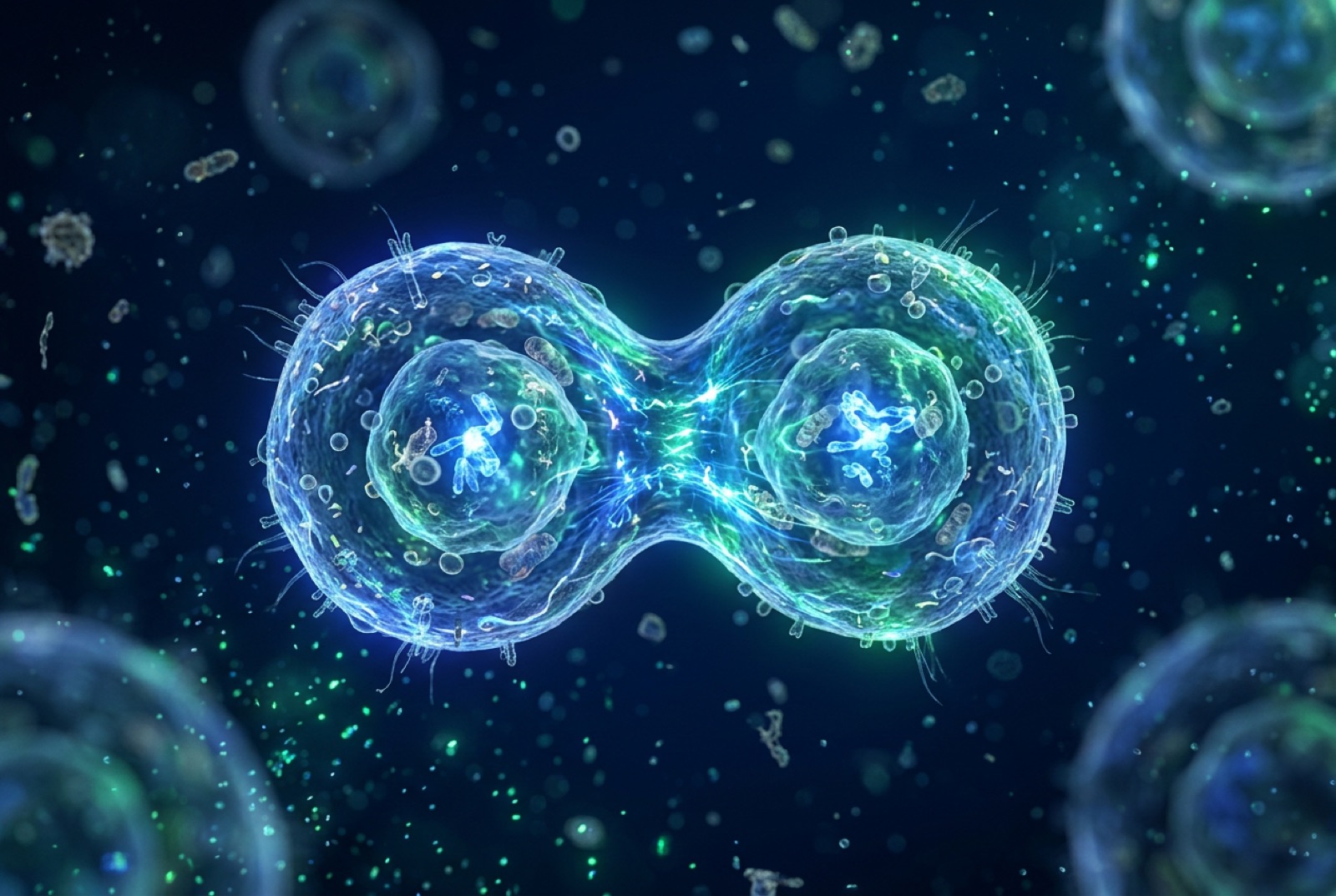
Stem cells are the body’s raw material: unspecialized cells that can renew themselves and, under the right conditions, become specialized cells such as bone, cartilage, muscle or fat. They also act as messengers, releasing molecules that guide inflammation and repair.
This unique combination is why they are at the center of modern regenerative medicine.
What makes stem cells unique
Self-renewal
They can divide and make copies of themselves over long periods.
Differentiation
They can mature into specific cell types such as bone, cartilage or muscle.
Paracrine signaling
They release growth factors, cytokines and vesicles that may calm inflammation and support repair.
Types of stem cells
- Embryonic stem cells — can become any cell type; their clinical use is highly restricted.
- Adult / mesenchymal stem cells (MSCs) — found in umbilical cord, bone marrow and fat; the most studied in regenerative medicine.
- Induced pluripotent stem cells (iPSCs) — adult cells reprogrammed in the lab; mainly used in research.
At Cell Innovation Center we work with mesenchymal stem cells, valued for their immunomodulatory effects and well-documented safety profile in clinical studies.
Talk to a physician about your case
Request a free medical evaluation — we reply within one business day.
More Topics
Stem Cells and Cancer
Stem cells may have the potential to support new tissue growth as part of cancer care and recovery.
Learn more
Stem Cells and Autoimmune Disorders
Stem cells may have the potential to help rebalance the immune system in autoimmune disorders.
Learn more
Stem Cells and Neurodegenerative Diseases
Stem cells may have the potential to support nerve tissue in neurodegenerative diseases.
Learn more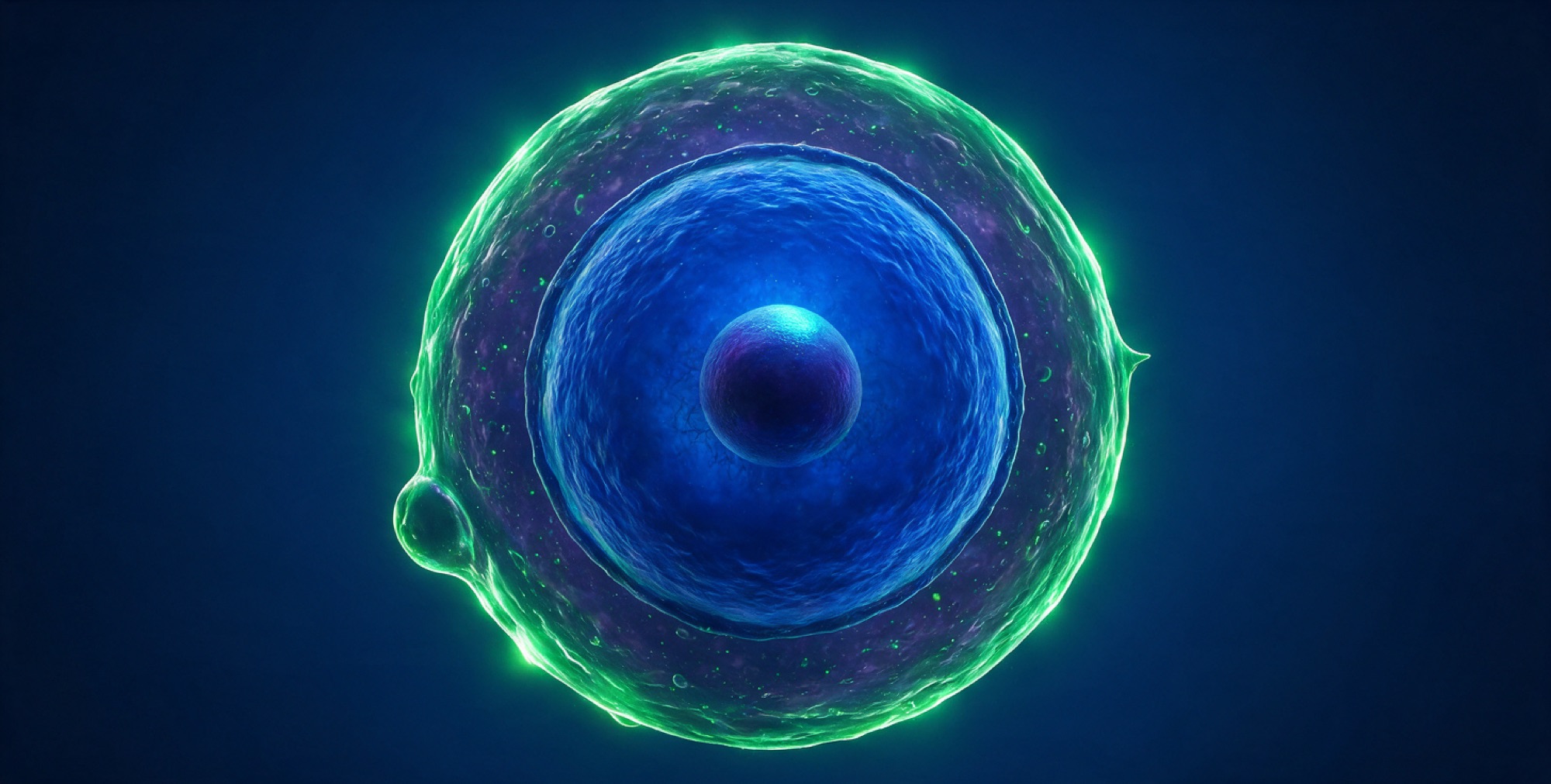
Stem Cells and Regenerative Medicine
Stem cells have the potential to grow into new tissue for use in regenerative medicine.
Learn more
The Future of Stem Cell Research
The future of stem cell research holds much promise for the treatment of various diseases.
Learn more