In autoimmune disorders, the immune system mistakenly attacks the body’s own tissues — joints in rheumatoid arthritis, multiple organs in lupus, or the nervous system in multiple sclerosis. The result is chronic inflammation and progressive damage.
Mesenchymal stem cells are being studied for their immunomodulatory properties: rather than suppressing the whole immune system, they may help restore a more balanced response.

How MSCs may influence the immune system
Calm overactive cells
They may reduce the activity of inflammatory T cells and cytokines.
Promote tolerance
They may support regulatory T cells that help the body tolerate its own tissues.
Protect tissue
Their signals may help protect joints, nerves and organs from ongoing damage.
Autoimmune conditions we evaluate
- Rheumatoid arthritis
- Systemic lupus erythematosus
- Multiple sclerosis
- Type 1 diabetes and its complications (case by case)
- Other inflammatory and post-viral immune conditions
Your protocol is designed together with your current medications — we never ask you to stop prescribed treatments.
Talk to a physician about your case
Request a free medical evaluation — we reply within one business day.
More Topics
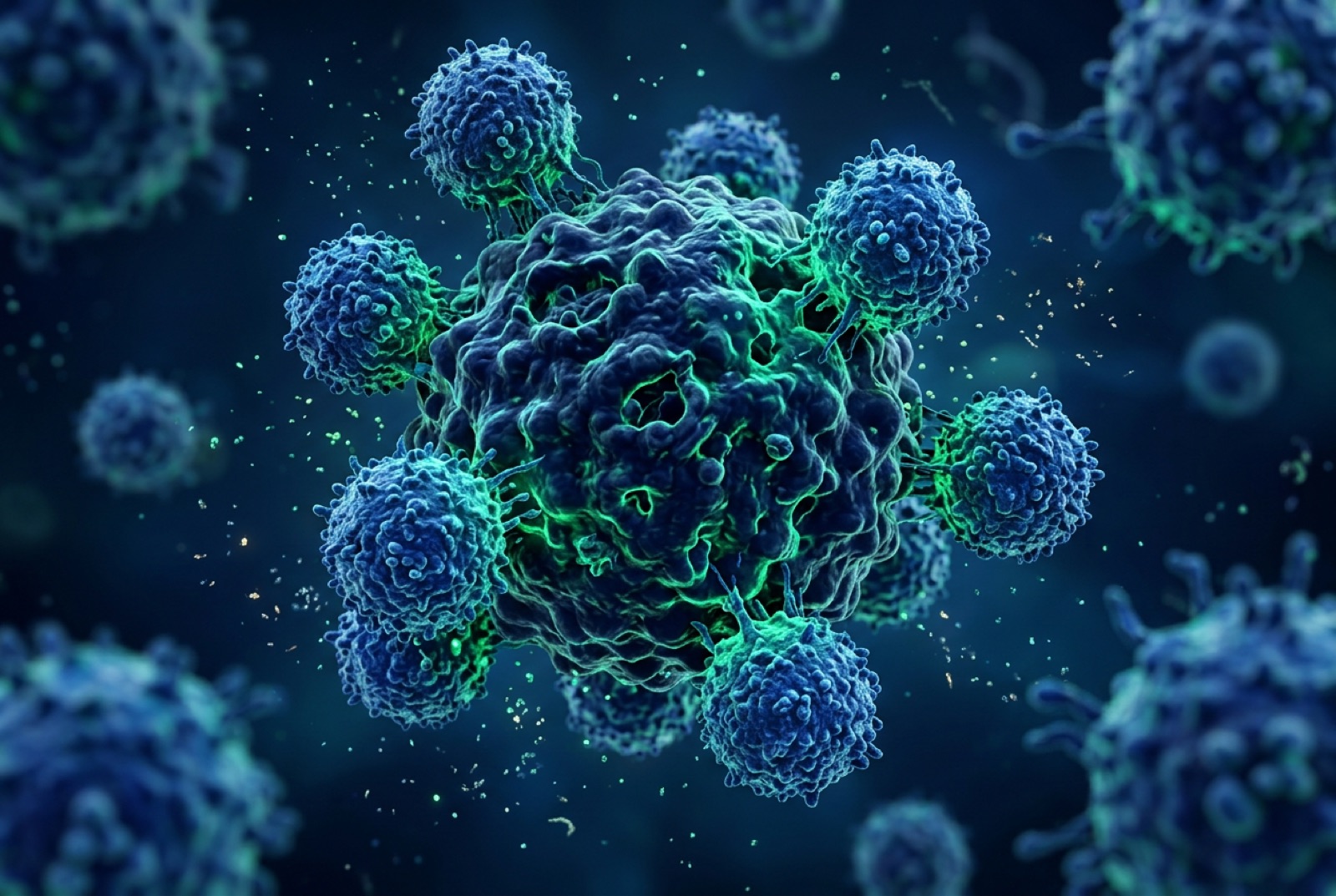
Stem Cells and Cancer
Stem cells may have the potential to support new tissue growth as part of cancer care and recovery.
Learn moreStem Cells and Autoimmune Disorders
Stem cells may have the potential to help rebalance the immune system in autoimmune disorders.
Learn more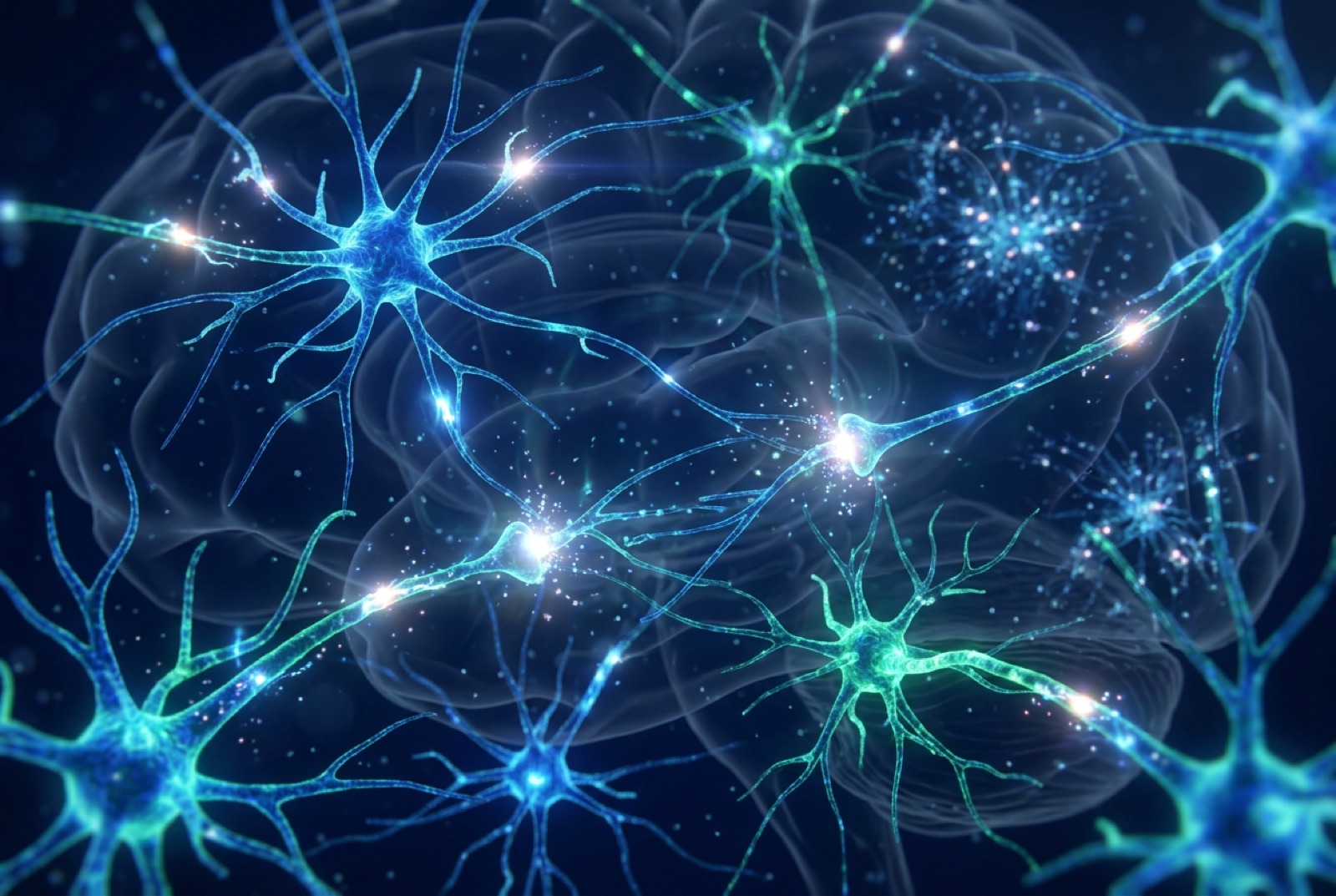
Stem Cells and Neurodegenerative Diseases
Stem cells may have the potential to support nerve tissue in neurodegenerative diseases.
Learn more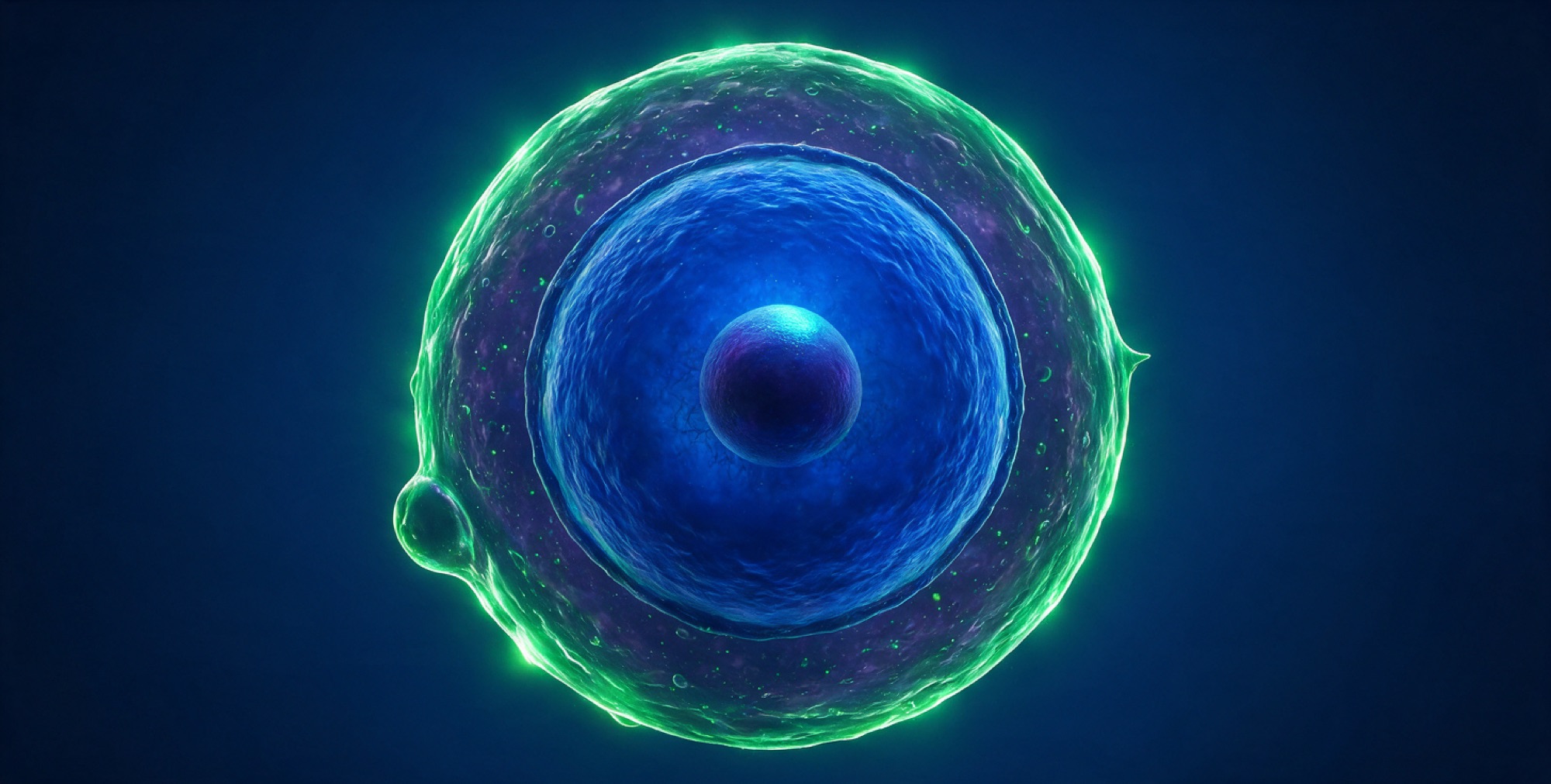
Stem Cells and Regenerative Medicine
Stem cells have the potential to grow into new tissue for use in regenerative medicine.
Learn more
The Future of Stem Cell Research
The future of stem cell research holds much promise for the treatment of various diseases.
Learn more