Regenerative medicine rests on three building blocks: cells that can repair, signals that tell them what to do and the environment where healing happens. Stem cells contribute to all three — which is why they are considered the engine of the field.
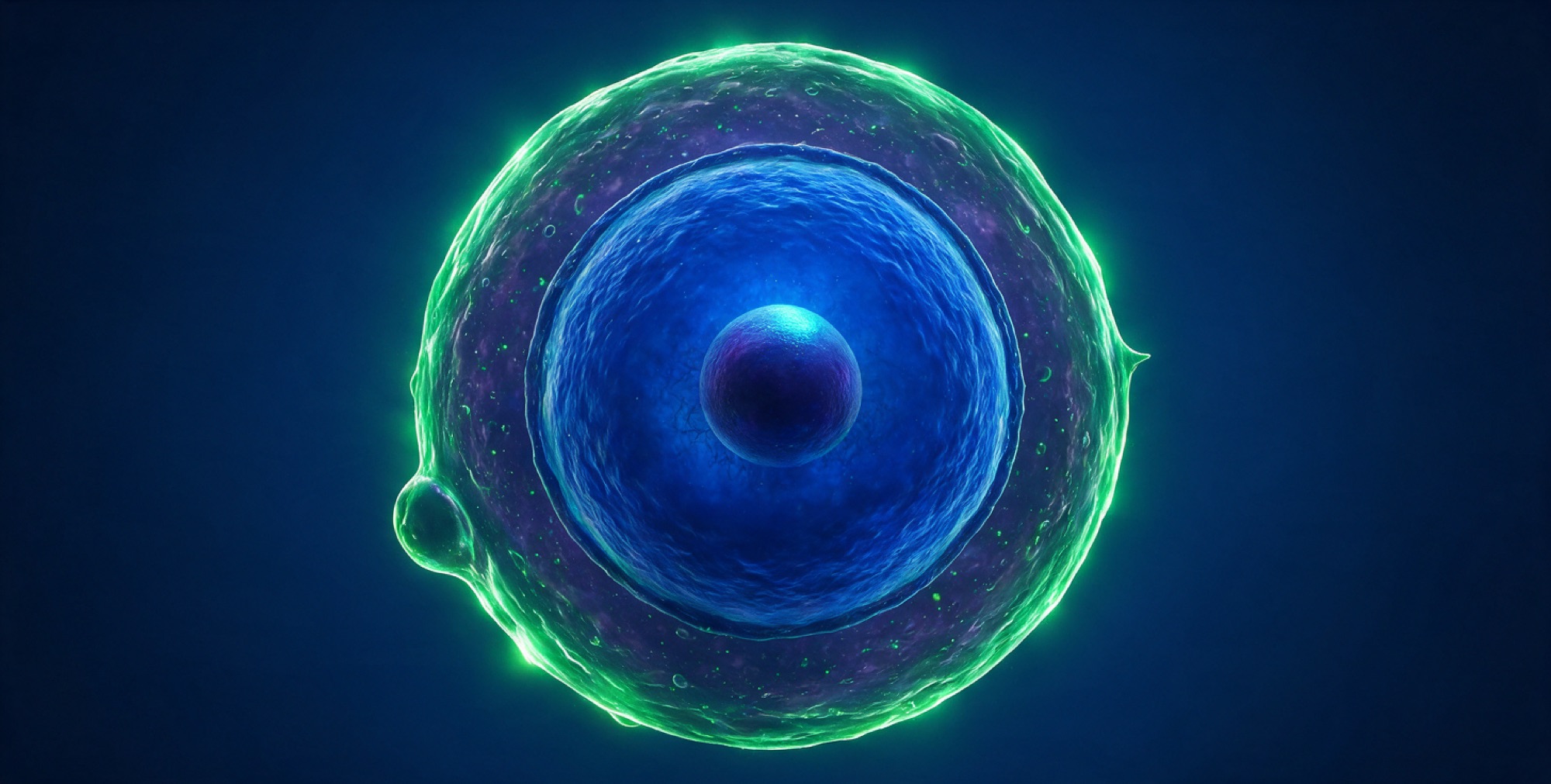
How stem cells contribute to regeneration
Building blocks
Under the right conditions they can become cartilage, bone, muscle or fat cells.
Signal hubs
Their secreted factors attract the body’s own repair cells and reduce inflammation.
Healthier microenvironment
They may improve blood supply and reduce scarring in damaged tissue.
From the lab to the clinic
Today, stem cells are used clinically in bone marrow transplants and are being studied in hundreds of trials for orthopedic, cardiovascular, neurological and autoimmune conditions. Tissue engineering — growing tissue on biological scaffolds — is advancing in research centers around the world.
At Cell Innovation Center we apply mesenchymal stem cell protocols within a complete regenerative plan, with documented quality for every cell lot.
Talk to a physician about your case
Request a free medical evaluation — we reply within one business day.
More Topics
Stem Cells and Cancer
Stem cells may have the potential to support new tissue growth as part of cancer care and recovery.
Learn more
Stem Cells and Autoimmune Disorders
Stem cells may have the potential to help rebalance the immune system in autoimmune disorders.
Learn more
Stem Cells and Neurodegenerative Diseases
Stem cells may have the potential to support nerve tissue in neurodegenerative diseases.
Learn moreStem Cells and Regenerative Medicine
Stem cells have the potential to grow into new tissue for use in regenerative medicine.
Learn more
The Future of Stem Cell Research
The future of stem cell research holds much promise for the treatment of various diseases.
Learn more