Neurodegenerative diseases cause the progressive loss of neurons in the brain and spinal cord. Parkinson’s disease, Alzheimer’s disease, multiple sclerosis, ataxias and Huntington’s disease affect movement, memory and independence.
Neuro-inflammation plays a key role in many of these conditions — and it is one of the main reasons mesenchymal stem cells are being studied in neurology.
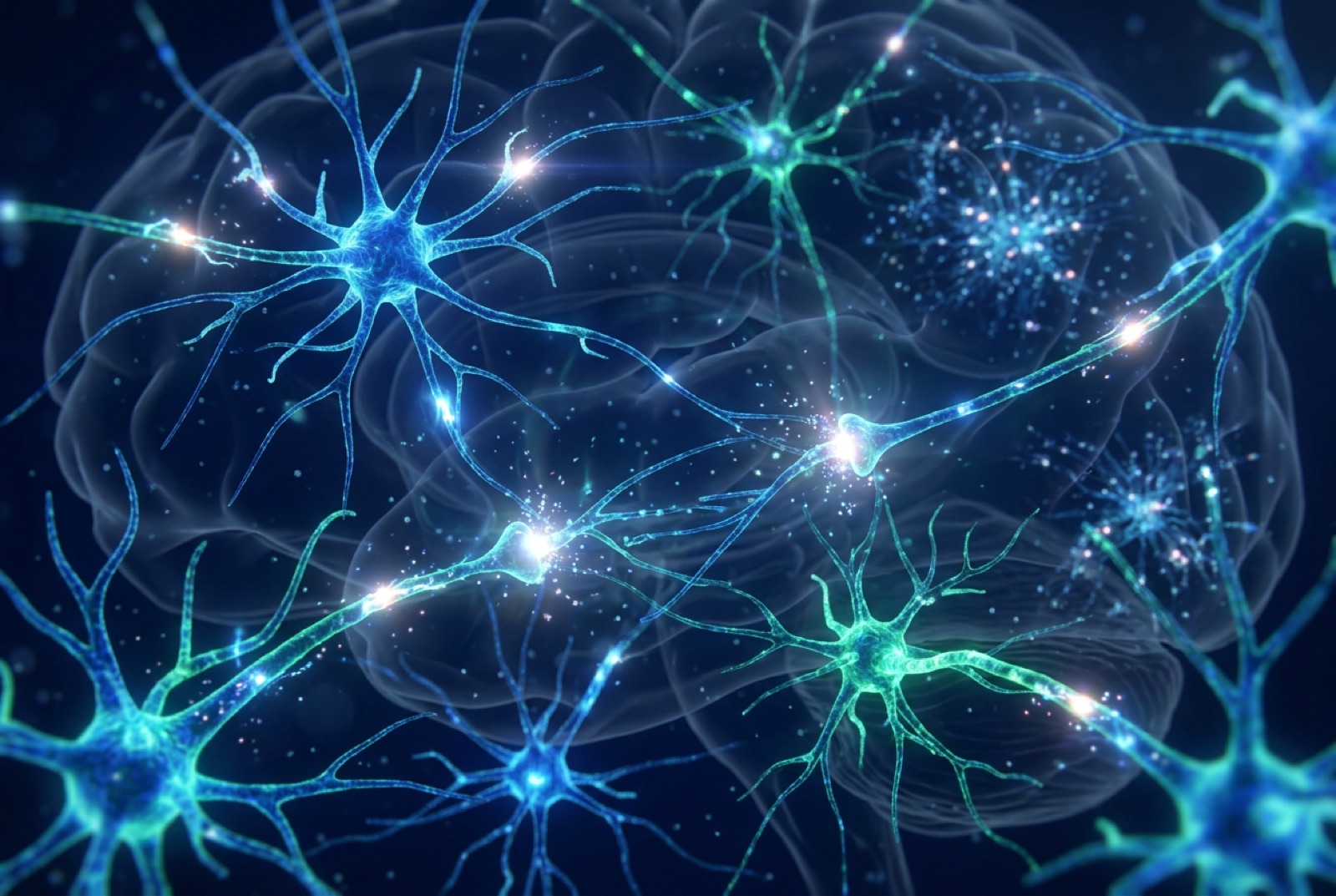
Why researchers study stem cells in neurology
Neuro-inflammation
MSC signals may help reduce inflammation that accelerates nerve damage.
Neuroprotection
Growth factors such as BDNF may help protect neurons under stress.
Support for repair
They may support the environment that nerve cells and myelin need to recover.
Conditions we evaluate
- Parkinson’s disease
- Alzheimer’s disease and cognitive decline
- Multiple sclerosis
- Friedreich’s ataxia and essential tremor
- Huntington’s disease and Shy-Drager syndrome (MSA)
- Recovery after stroke
Neurological protocols are evaluated case by case, with baseline neurological scales to measure progress during follow-up.
Talk to a physician about your case
Request a free medical evaluation — we reply within one business day.
More Topics

Stem Cells and Cancer
Stem cells may have the potential to support new tissue growth as part of cancer care and recovery.
Learn more
Stem Cells and Autoimmune Disorders
Stem cells may have the potential to help rebalance the immune system in autoimmune disorders.
Learn moreStem Cells and Neurodegenerative Diseases
Stem cells may have the potential to support nerve tissue in neurodegenerative diseases.
Learn more
Stem Cells and Regenerative Medicine
Stem cells have the potential to grow into new tissue for use in regenerative medicine.
Learn more
The Future of Stem Cell Research
The future of stem cell research holds much promise for the treatment of various diseases.
Learn more